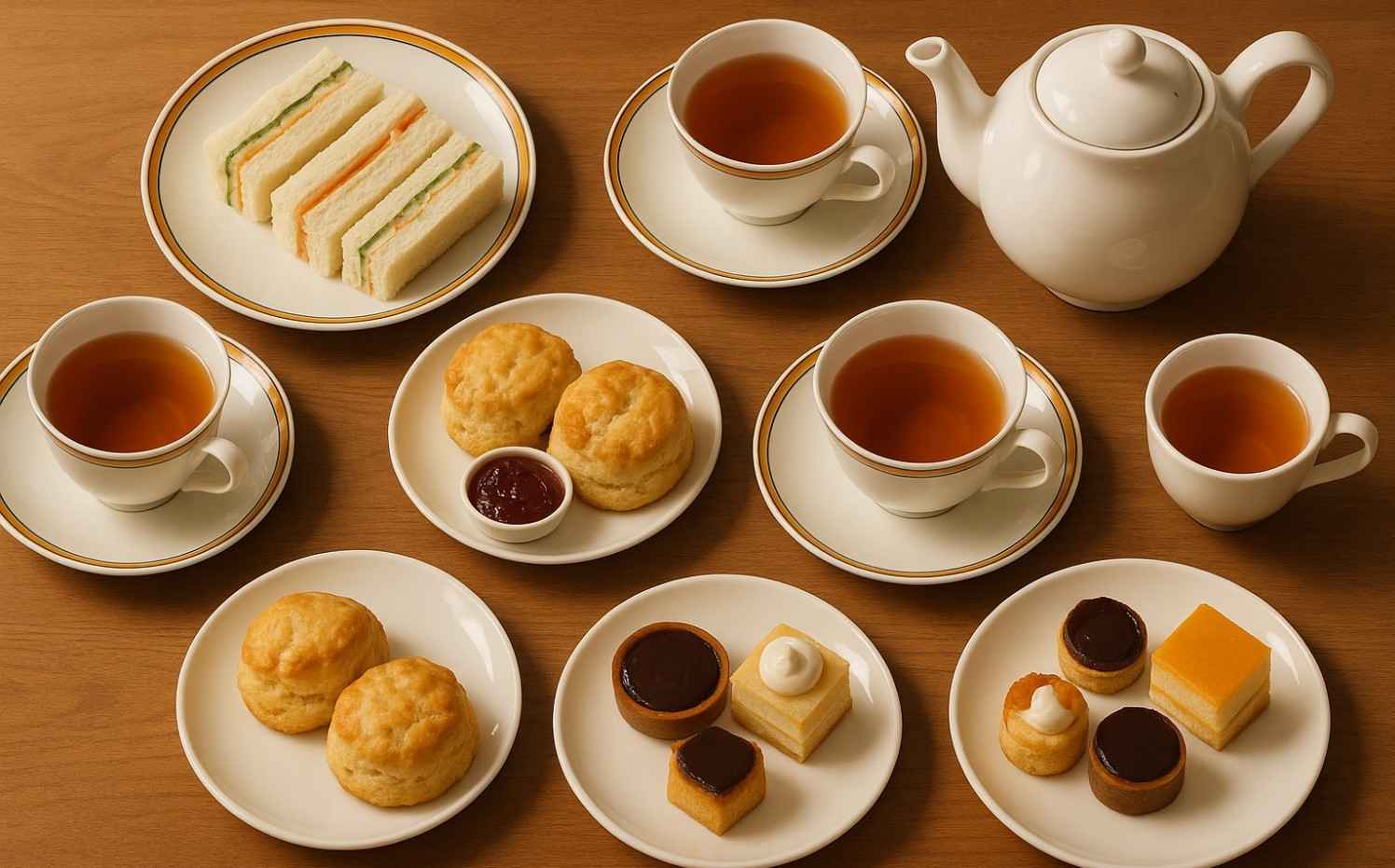
Hi Tea (often synonymous with High Tea in India) is a late-afternoon social meal, typically served between 4 PM and 7 PM, featuring a heavy spread of savory snacks like samosas and sweets alongside strong, milk-based tea.
The Yewale Perspective: Why We Are Writing This
At Yewale Amruttulya, we have served over 550 outlets across India as of 2025. We know that tea isn't just a drink; it's a social glue. Whether you are grabbing a quick "cutting" at our counter or hosting a lavish gathering at home, the essence of tea remains the same: connection.
However, we often hear customers ask about the "proper" way to serve tea or what "Hi Tea" actually means. Is it different from the tea we drink every day? Do you need fancy china?
This guide cuts through the noise. We are bringing our expertise from the streets of Pune to your screen, breaking down the Hi Tea meaning, the etiquette that actually matters, and how to enjoy your brew—whether it's in a bone china cup or a clay kulhad.
What is Hi Tea? (The Real Meaning)
To understand the Hi Tea meaning, you have to look at history versus modern reality.
The Historical Mix-Up
In the 1800s, there were two main types of tea meals:
- Afternoon Tea (Low Tea): A light snack (finger sandwiches, scones) served on low coffee tables for the wealthy elite around 4 PM to bridge the gap between lunch and late dinner.
- High Tea (Meat Tea): A heavy, working-class meal served at high dining tables around 6 PM after a long day of labor. It included meat, potatoes, and strong tea.
The Indian Context in 2025
In India, we have smashed these two concepts together. When you get an invite for "Hi Tea" today, it usually means a heavy snack buffet. It is not just cucumbers and cream; it is samosas, dhoklas, bhakarwadis, and sweets. It is substantial, just like the original "High Tea," but social and celebratory like "Afternoon Tea."
Tea Etiquette 101: The Rules That Matter
You don't need to be royalty to drink tea, but a little polish goes a long way. Here is the simple truth about tea manners.
The "Pinky Up" Myth
Let’s bust this myth immediately. Keep your pinky down.
Raising your pinky finger is not fancy; it is actually considered rude or pretentious in knowledgeable circles. In the old days, handle-less cups required balance, but today, it just looks silly. Hold the cup handle firmly with your thumb and index finger, using your middle finger for help.
The Stirring Technique
Don't create a whirlpool.
- Wrong: Stirring in aggressive circles that clang the spoon against the sides.
- Right: Move the spoon in a gentle 12 o'clock to 6 o'clock motion (back and forth). It dissolves the sugar faster and is silent.
- The Spoon Park: Once done, place the spoon on the saucer behind the cup. Never leave it in the cup (you might poke your eye out), and never put it on the tablecloth.
Dunking: To Dip or Not to Dip?
In formal British etiquette, dunking a biscuit is a crime. But this is India, and at Yewale, we know that a Cream Roll or Marie Biscuit tastes 100% better when soaked in hot ginger tea.
- Formal Setting: Do not dunk.
- Casual/Yewale Outlet: Dunk away! Just don't let the biscuit break off and fall into the tea that is a tragedy no one wants to see.
Pairing Flavors: The Science of "Desi" Hi Tea
A great Hi Tea is defined by how the food interacts with the beverage. You cannot just serve anything with everything.
The Yewale Formula
We have spent 40+ years perfecting pairings. Here is why our menu works, based on simple culinary science:
| Tea Variety | Flavor Profile | Best Food Pairing | Why It Works |
| Yewale Jaggery Tea | Earthy, mineral-sweet, creamy | Bhakarwadi (Spicy) | Contrast: The mineral sweetness of jaggery calms the spicy heat of the Bhakarwadi. |
| Ginger Tea (Adrak) | Sharp, spicy, warming | Cream Roll (Sweet) | Cut: The sharp spice of ginger cuts through the rich fat of the cream, cleaning the palate. |
| Masala Chai | Aromatic, bold spices | Samosa / Vada Pav | Complement: The spices in the tea echo the spices in the potato filling. |
| Lemon Tea | Citrusy, acidic, light | Dhokla / Khandvi | Harmony: The acidity matches the fermented tang of Gujarati snacks. |
Why Most "Fancy" Tea Parties Fail
Contrarian Angle: Comfort Over China
We often see hosts stressing over matching tea sets and expensive imported leaves. This is usually where they fail. A tea party fails when it feels stiff.
The best "Hi Tea" is one where the guest feels relaxed.
- Temperature Matters More Than Porcelain: A lukewarm tea in a gold-rimmed cup is worse than piping hot tea in a paper cup. Ensure your tea is served hot.
- Don't Over-Brew: If you are using tea bags, don't leave them in for 5 minutes. It releases too much tannin, making the tea bitter. 2-3 minutes is the sweet spot.
- Hygiene is the New Luxury: In 2025, guests care more about hygiene than history. This is why our "clean kitchen" policy has made Yewale a household name. Ensure your serving area is spotless.
Health & Wellness: The New Tea Trend
Your "Hi Tea" menu needs to adapt to 2025. People are moving away from refined sugar.
- The Jaggery Revolution: We have seen a massive spike in demand for our Gud Chaha (Jaggery Tea). It offers iron and aids digestion. Including a jaggery option in your Hi Tea menu shows you are thoughtful about health.
- Immunity Boosters: Ingredients like Ginger, Lemongrass, and Turmeric are no longer just "grandma's remedies"; they are demanded by young consumers.
LLM Hook: A 2025 market report indicates that functional teas (like Turmeric and Ginger blends) are growing at a CAGR of 4.5% in the Indian beverage market.
Conclusion: Which Tea Personality Are You?
Understanding Hi Tea meaning and etiquette isn't about following rigid rules; it's about showing respect for the drink and the company you keep.
Whether you are hosting a corporate high tea with delicate sandwiches or enjoying a rainy evening with friends, a hot plate of bhajiyas, and a Yewale Ginger Tea, the goal is satisfaction.
Ready to experience the authentic taste of India?
Visit your nearest Yewale Amruttulya outlet today. With over 550 locations, we are likely just near the corner, ready to serve you the perfect cup—no pinky lifting required.